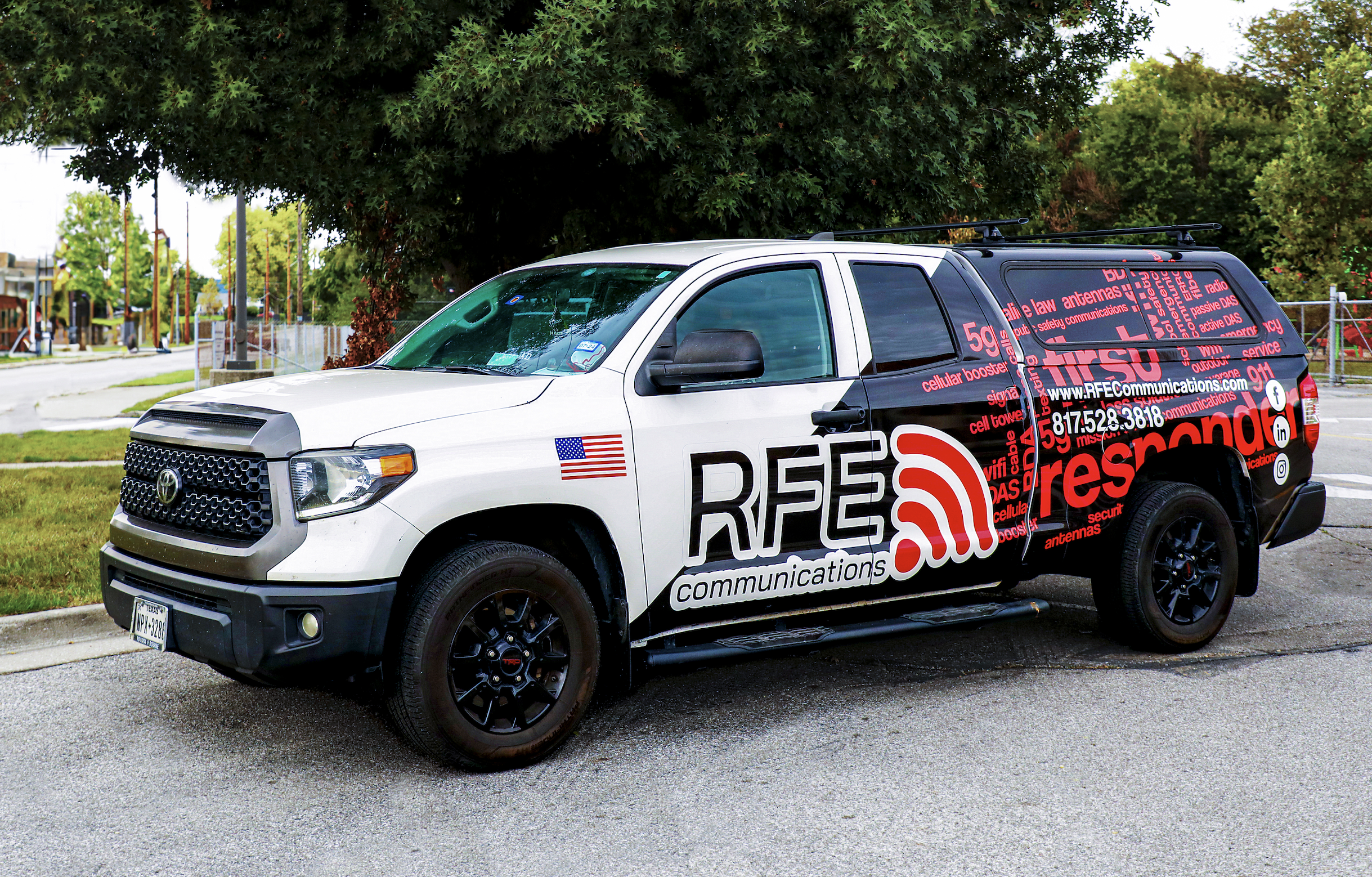

First Responder
Radio & Cellular Enhancement Coverage Systems
Get a Quote
Reliable in-building communication is no longer a luxury in modern construction. It is a core part of how buildings support life safety, daily operations, and occupant expectations. As structures become taller, denser, and more complex, wireless signals often struggle to reach the places that matter most. Stairwells, basements, mechanical rooms, parking garages, and other interior spaces can quickly become dead zones for both public safety radio traffic and everyday cellular service.
Read More
That creates two major challenges. First, first responders need dependable radio communication inside a building during an emergency. Second, tenants, employees, patients, students, and visitors expect strong indoor cellular coverage at all times. Solving both problems takes more than equipment alone. It takes thoughtful engineering, code awareness, the right hardware, and precise installation.
RFE Communications provides all of that under one roof. As a distribution company, engineering firm, and installation partner, RFE Communications supports projects involving Emergency Responder Radio Coverage Systems (ERRCS), BDA systems, public safety DAS, and cellular Distributed Antenna Systems. From design and testing to deployment and compliance support, we help building owners, developers, contractors, and facility teams create reliable in-building communication systems that support both life safety and wireless connectivity.
Emergency Responder Communication Systems
Emergency responder communication systems are designed to help firefighters, police officers, EMS teams, and other public safety personnel maintain radio communication inside a building during an emergency. In many structures, outside radio signals weaken as they pass through concrete, steel, low-emissivity glass, and other signal-blocking materials. That loss of coverage can affect communication in critical areas such as stair towers, below-grade levels, equipment rooms, and enclosed corridors.
ERCES solutions address that problem by improving in-building radio coverage, allowing emergency personnel to stay connected throughout the structure. These systems are often built around BDA technology and distributed antenna infrastructure that capture, amplify, and distribute public safety radio signals where coverage would otherwise fail. In practical terms, that means better communication where first responders need it most.
Many jurisdictions require these systems for fire and building code compliance. For owners and project teams, ERCES planning becomes a matter of both safety and approval. For first responders, it can make a direct difference in coordination, situational awareness, and response efficiency.
BDA and Public Safety DAS Solutions
Bi-Directional Amplifier systems remain a central part of many public safety communication projects, and they should be part of how RFE Communications is described. A BDA system strengthens incoming and outgoing radio signals, enabling public safety communication in signal-challenged buildings. Public safety DAS then distributes that boosted signal throughout the property using a carefully engineered antenna network.
Together, BDA and DAS infrastructure help eliminate weak spots and improve in-building radio performance. These solutions are commonly used in commercial buildings, hospitals, schools, stadiums, warehouses, parking structures, and multi-residential properties where dependable radio coverage is required.
Cellular Distributed Antenna Systems (DAS)
Strong public safety communication is essential, but so is everyday cellular connectivity. Occupants expect to make calls, send messages, access mobile apps, and stay connected inside the buildings they work in, live in, and visit. Unfortunately, the same materials that interfere with public safety radio coverage often weaken commercial cellular signals too.
Cellular DAS improves indoor cellular performance by bringing carrier signals into the building and distributing them through a network of antennas. The result is better signal strength, more reliable service, and improved user experience across interior spaces.
For many modern properties, commercial cellular enhancement systems support more than convenience. They support tenant satisfaction, business continuity, operational efficiency, and the building’s overall functionality. RFE Communications helps clients address those needs with engineered indoor wireless solutions tailored to the building environment.
OUR SERVICES
How It Works
From grid test to final inspection, RFE manages your entire ERRCS/ERCES project in-house.
INDUSTRIES WE SERVE
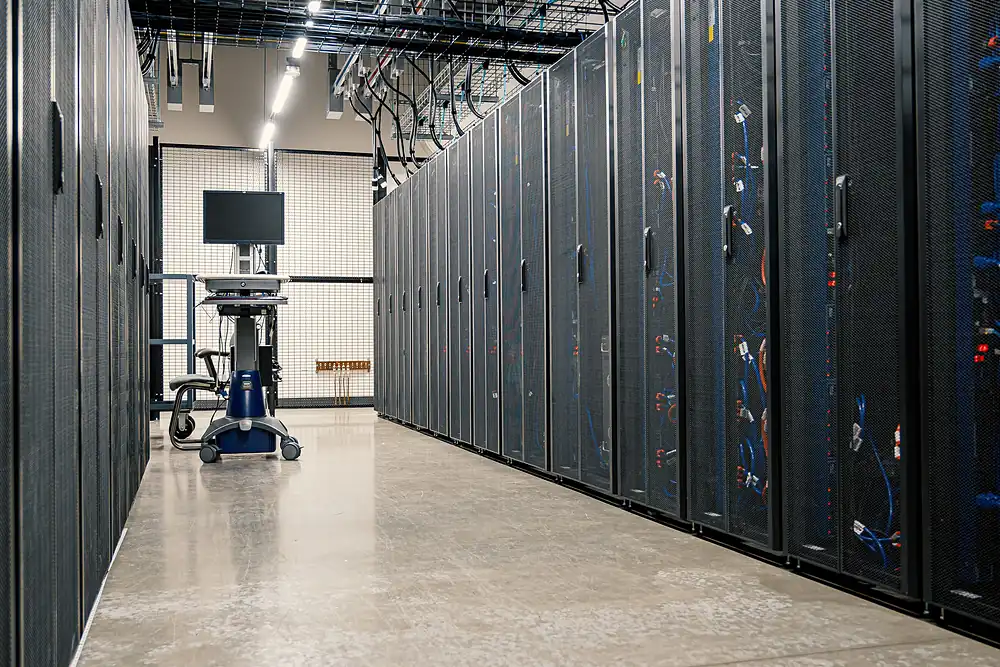
Data centers are built using thick concrete walls and steel framing. This infrastructure is great for security but not for radio communication, weakening signals inside the building.
We have extensive experience installing ERRCS in data centers that meet local fire codes.
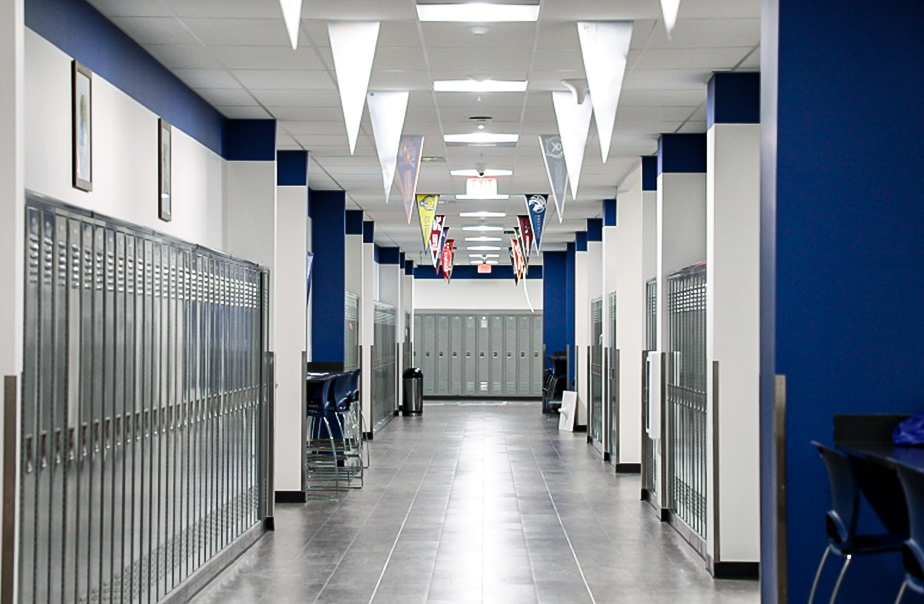
Uninterrupted access to wireless services is crucial for students, ensuring they can learn without disruptions. Equally vital, teachers and administrators depend on technology to remain updated and communicate effectively in emergency situations.

Weak connectivity can drive customers to more tech-savvy competitors. Robust communication is crucial for hotels, restaurants, and entertainment venues, ensuring profitability, 5-star reviews, and repeat business. Reliable connectivity is a priority for guests and drives future visits.
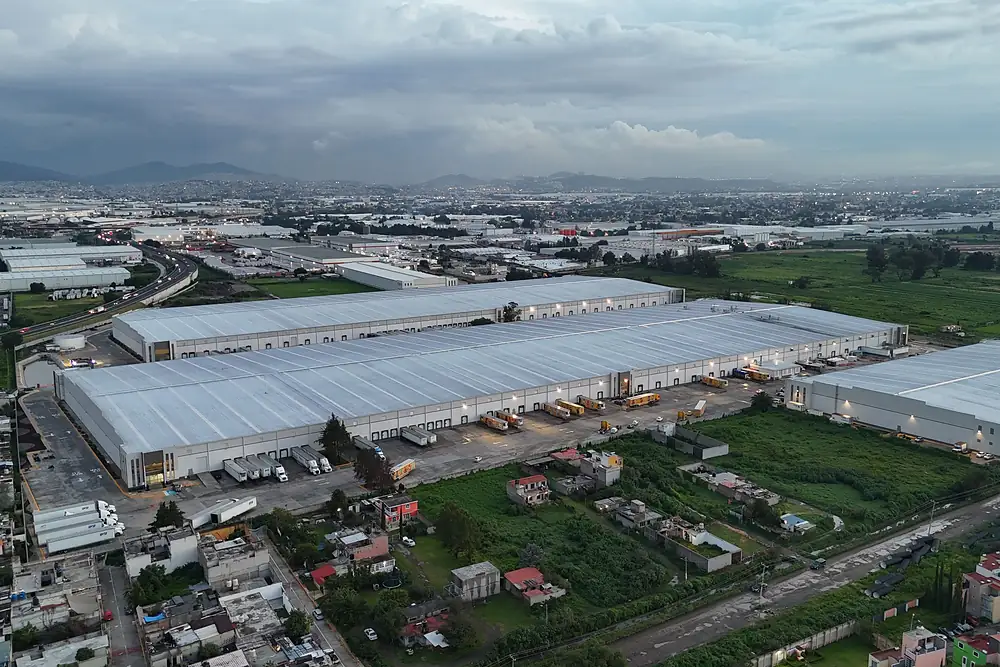
Industrial & manufacturing buildings have large floorplans full of machinery and equipment designed for efficiency and safety that sometimes block communication. Contact us to learn more about our experience with industrial and manufacturing ERRCS installation.

Properties built with concrete, steel, underground garages, and coated glass weaken first responder radio signals inside apartments and condos. ERRCS for MDUs are often required by fire marshals to ensure first responders have strong signals for effective communication.
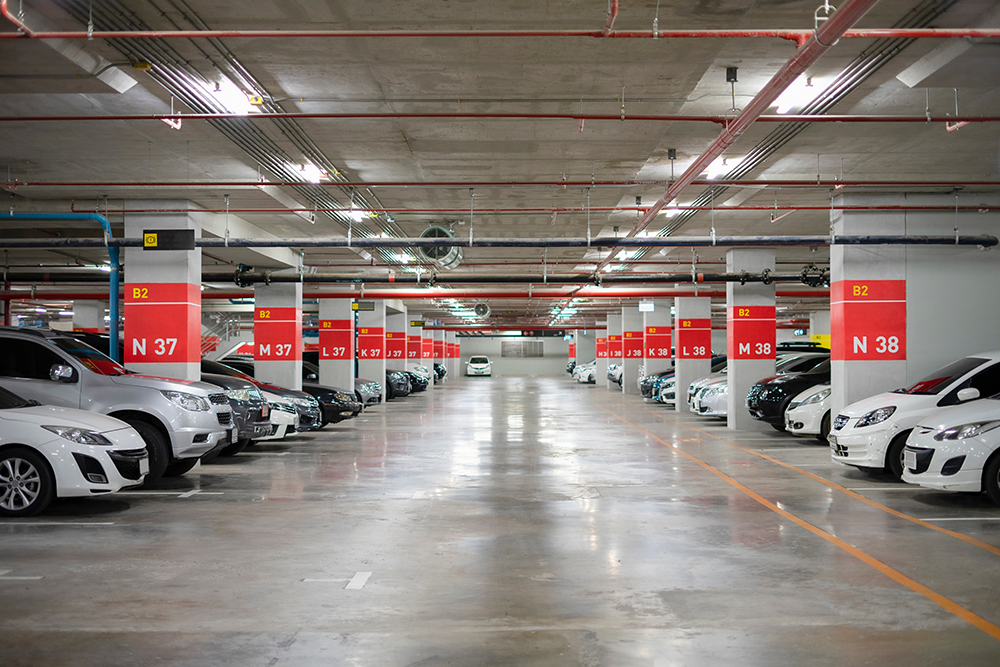
People are already on alert when walking to their car in parking garages, and that feeling intensifies if the concrete and steel structure interferes with their cell signal. Extend that signal throughout for improved safety.
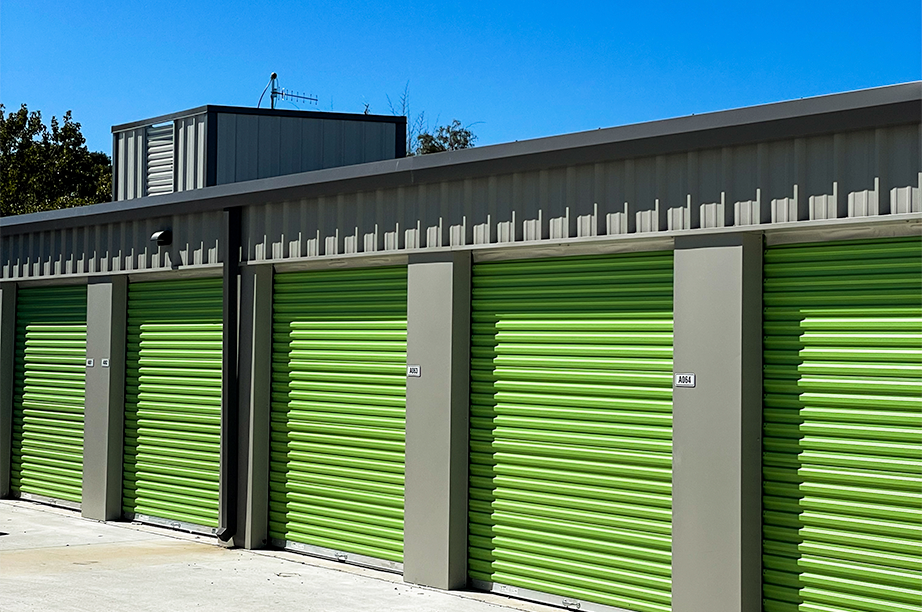
Multi-storage climate-controlled units provide room for storage but aren’t always designed for ample cell coverage. Our signal enhancement technologies increase the strength and reliability of existing networks for connectivity, which can be crucial in emergency situations.
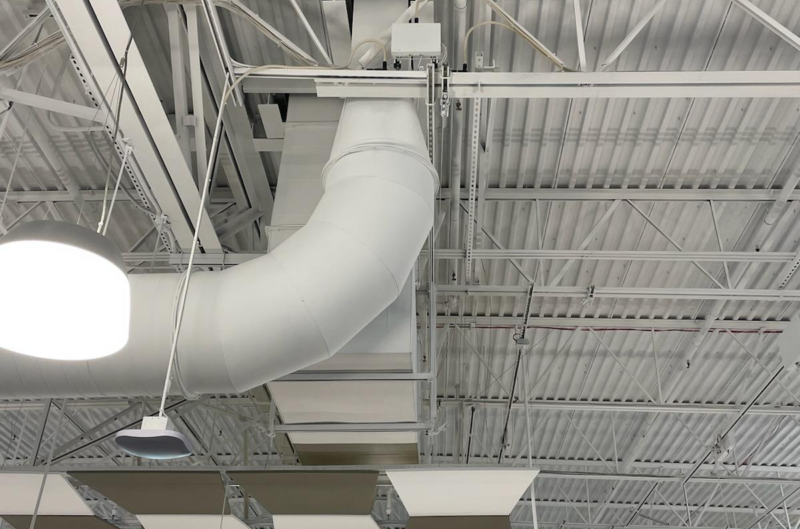
Efficient network communications are vital for warehouse productivity and safety. A seamless network ensures real-time coordination, inventory management, and logistics. Strong connectivity enables automation and data analysis for productivity and responsive operations.

Robust network connectivity is crucial for seamless event management in stadiums and concert venues. It enables real-time coordination, ensuring smooth operations. Our solutions address signal challenges, guaranteeing optimal connectivity for productivity and promoting public safety.
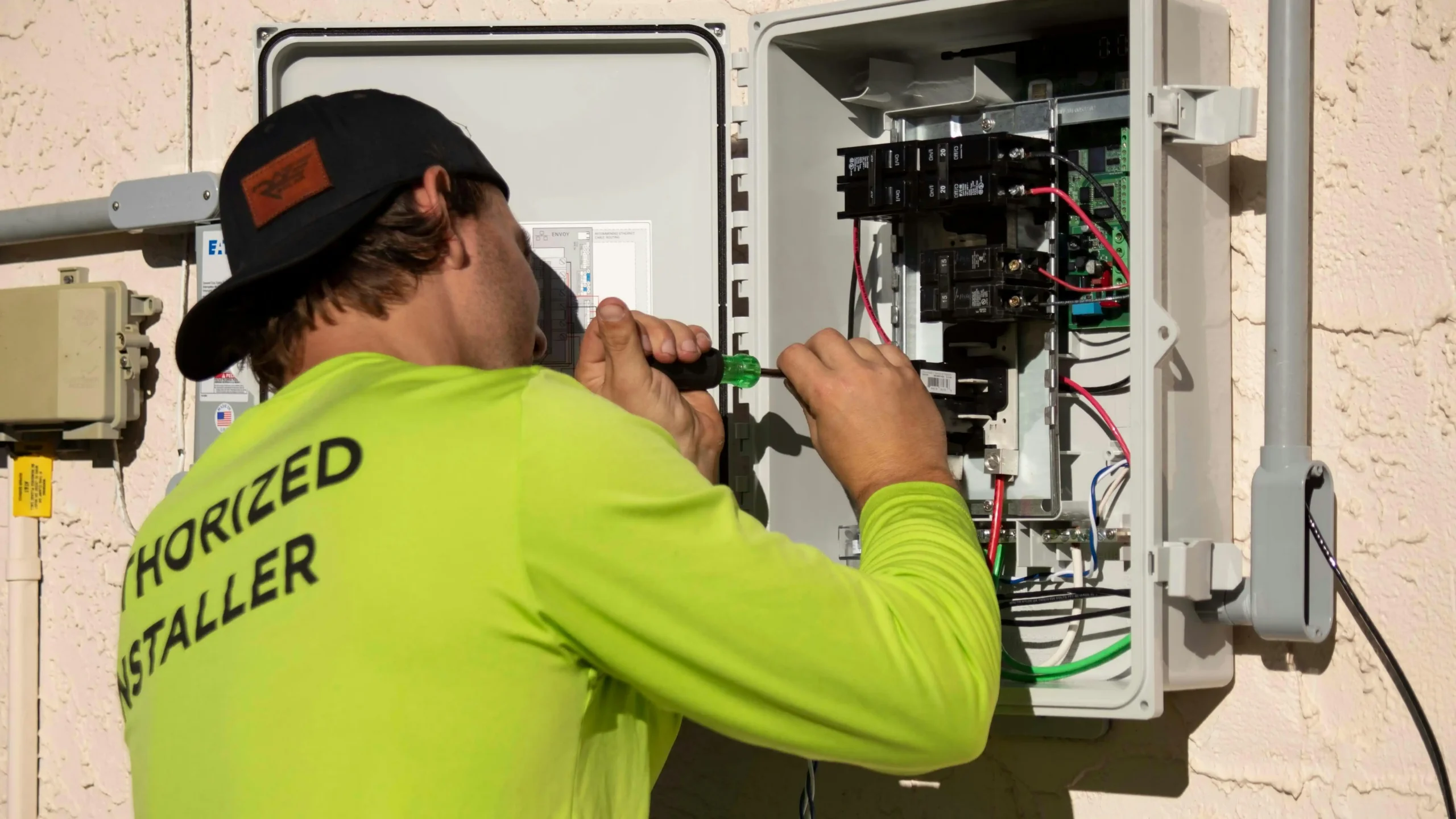
RFE Communications is your trusted life safety and low voltage contractor




Engineering, Distribution, and Installation Services
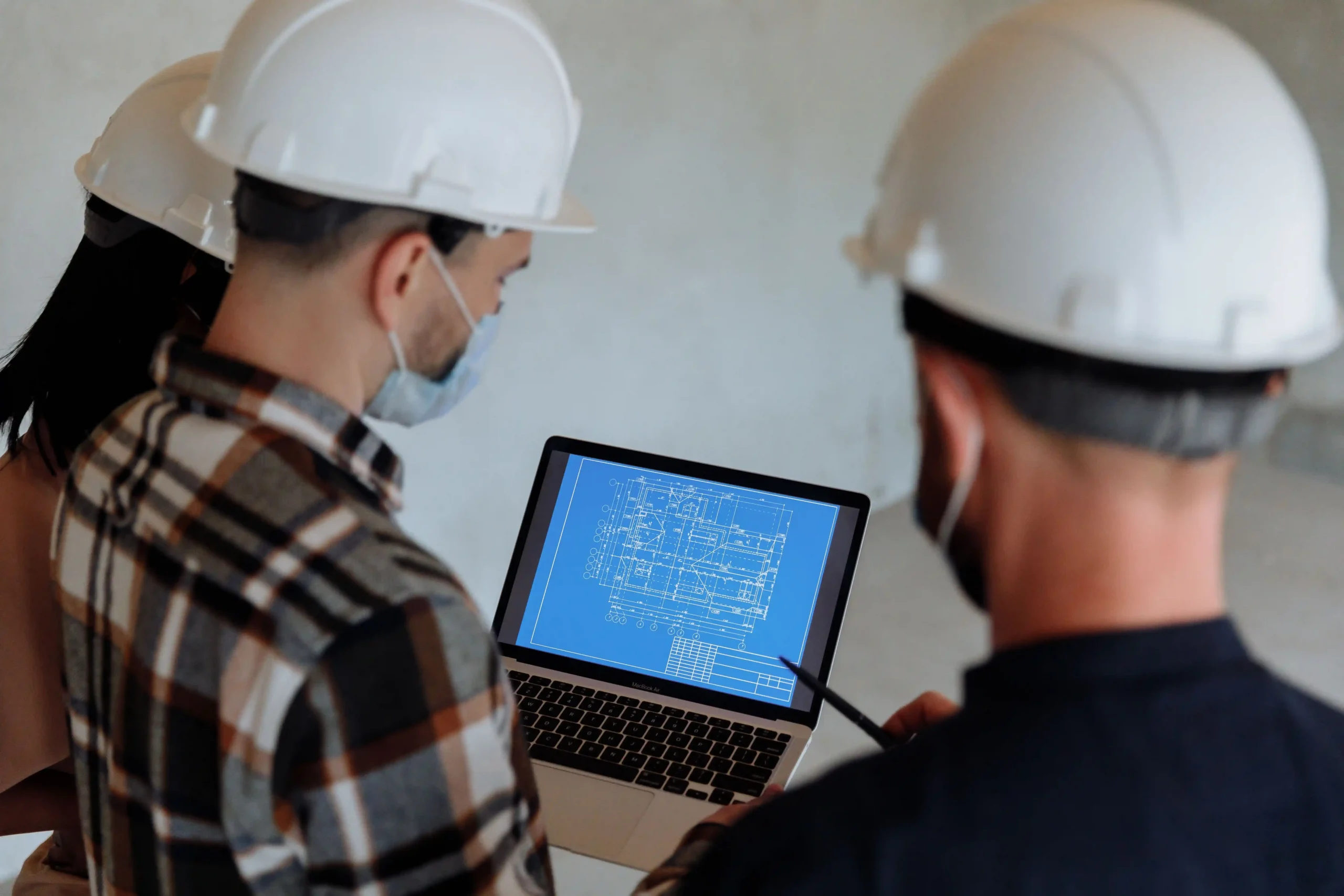
Communication systems succeed or fail in the design stage just as much as in the field. That's why at RFE Communications we not only work as an installer but also as an engineering firm and distribution partner. We support projects from early planning through deployment, helping clients move from concept to code-compliant operation.
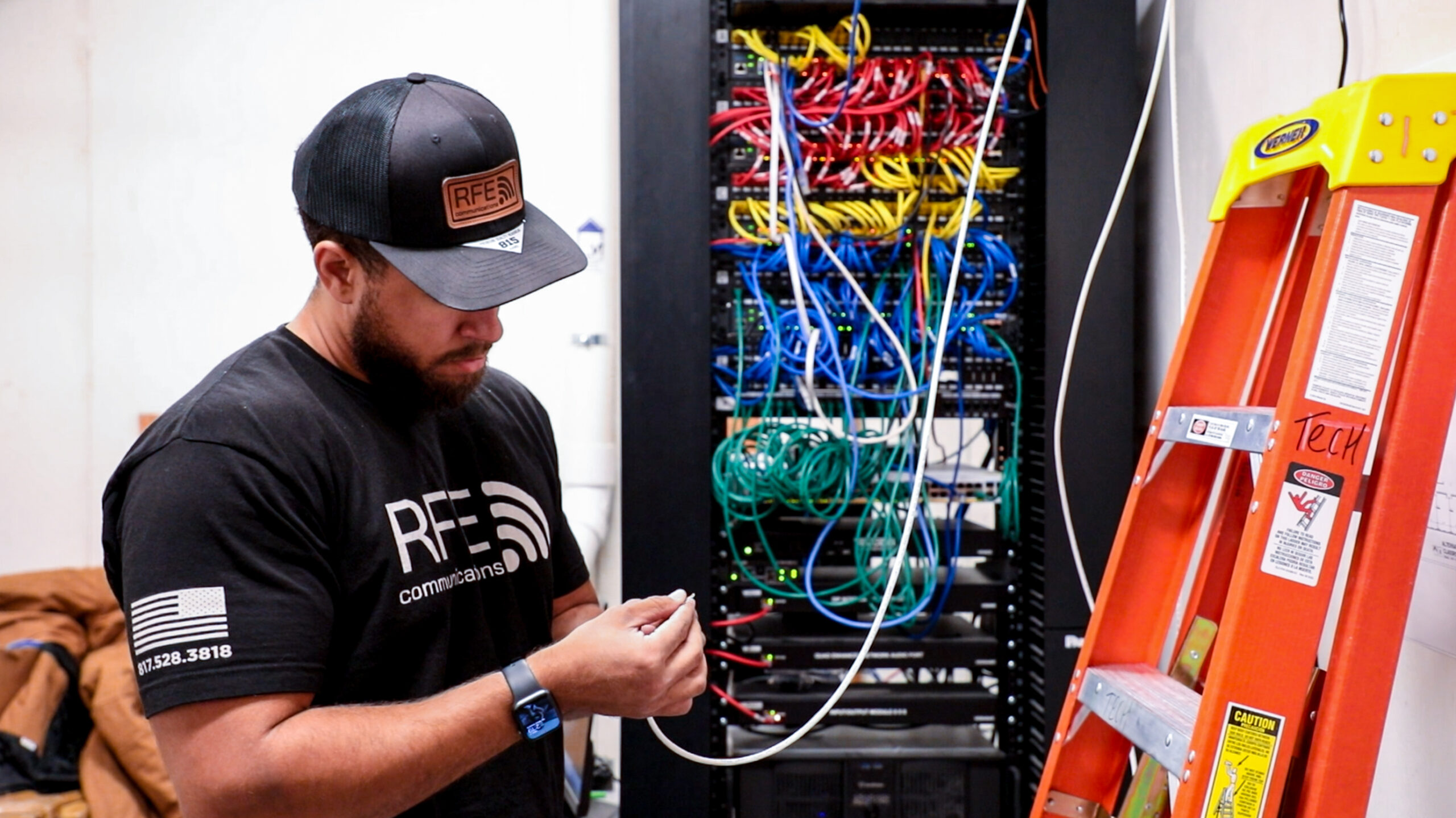
Our process includes site evaluation, RF analysis, system design, equipment selection, hardware distribution, installation, grid testing, and compliance-related support.
Whether the project involves ERCES, BDA, public safety DAS, cellular DAS, or a combination of systems, our goal is the same: reliable in-building communication backed by solid technical execution.
Solutions for a Wide Range of Buildings
In-building communication problems vary by property type. Different structures pose different signal challenges, and each project needs a solution tailored to the site’s real-world conditions.
At RFE Communications we support communication system projects for commercial buildings, healthcare facilities, campuses, high-rises, stadiums, warehouses, parking structures, and multi-residential properties.
Our service pages reference our work across sectors, including self storage units, educational institutions, data centers, manufacturing plants, parking garages, commercial, and multi-residential buildings.
Why Builders and Property Owners Choose RFE Communications
Builders, owners, and project teams need more than a vendor. They need a partner that understands code-driven life safety systems, the behavior of signals in real buildings, and the practical demands of construction and retrofit work.
At RFE Communications we hold expertise in engineering, product distribution, installation, grid testing, and compliance support across ERCES, BDA, and DAS-related systems. Our comprehensive experience matters because communication systems often involve coordination across design, permitting, inspection, and final approval. Our team understands both the technical and compliance sides of projects, reducing friction and keeping the project moving.